The trek
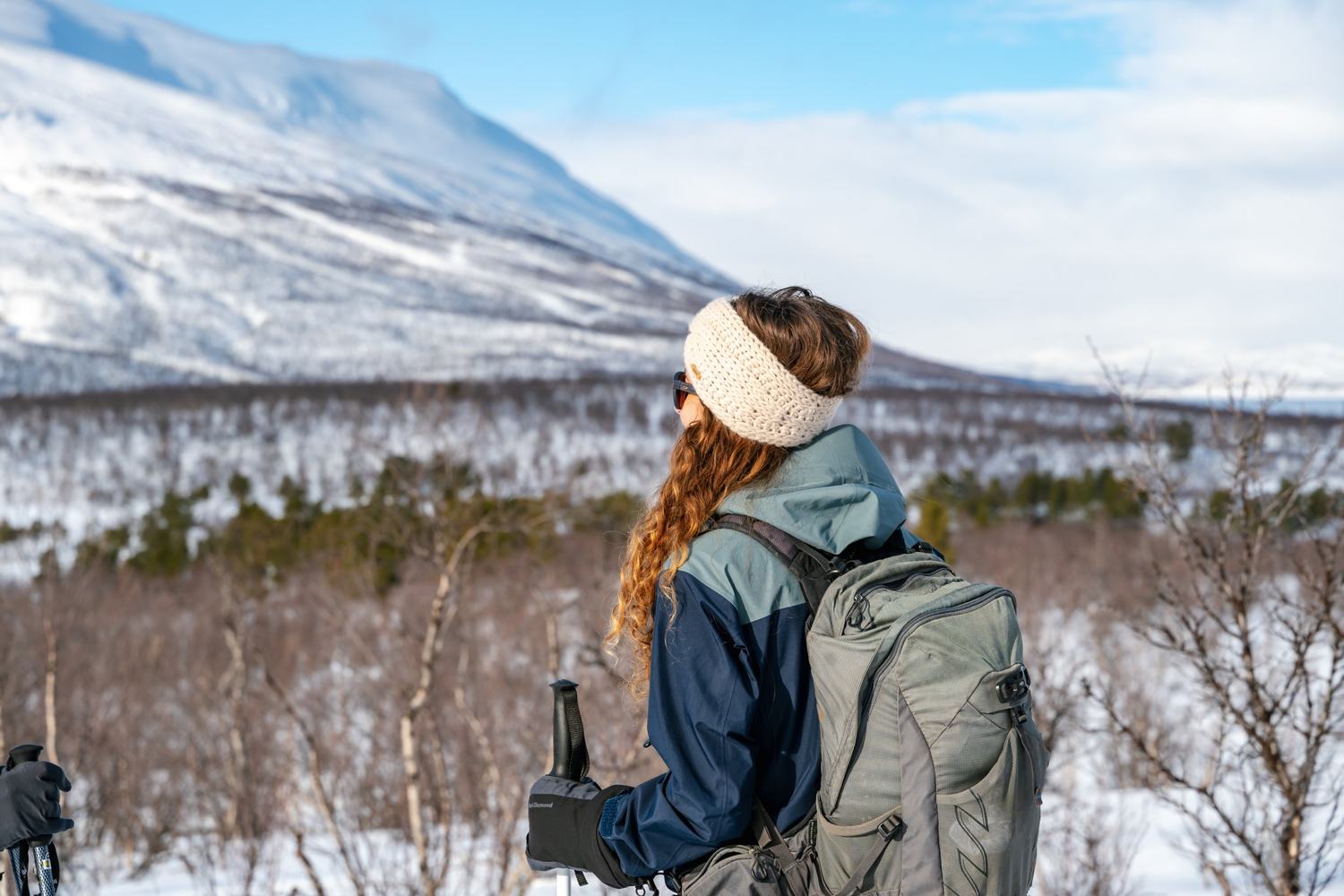
Kungsleden, the King's Trail, runs for more than 400 km through Swedish Lapland. Its northernmost section, from Abisko to the foot of Kebnekaise, is the classic. In summer it is a busy walking route. In February and March it becomes something else: a white valley 200 km north of the Arctic Circle, crossed on skis or snowshoes with a sled in tow.
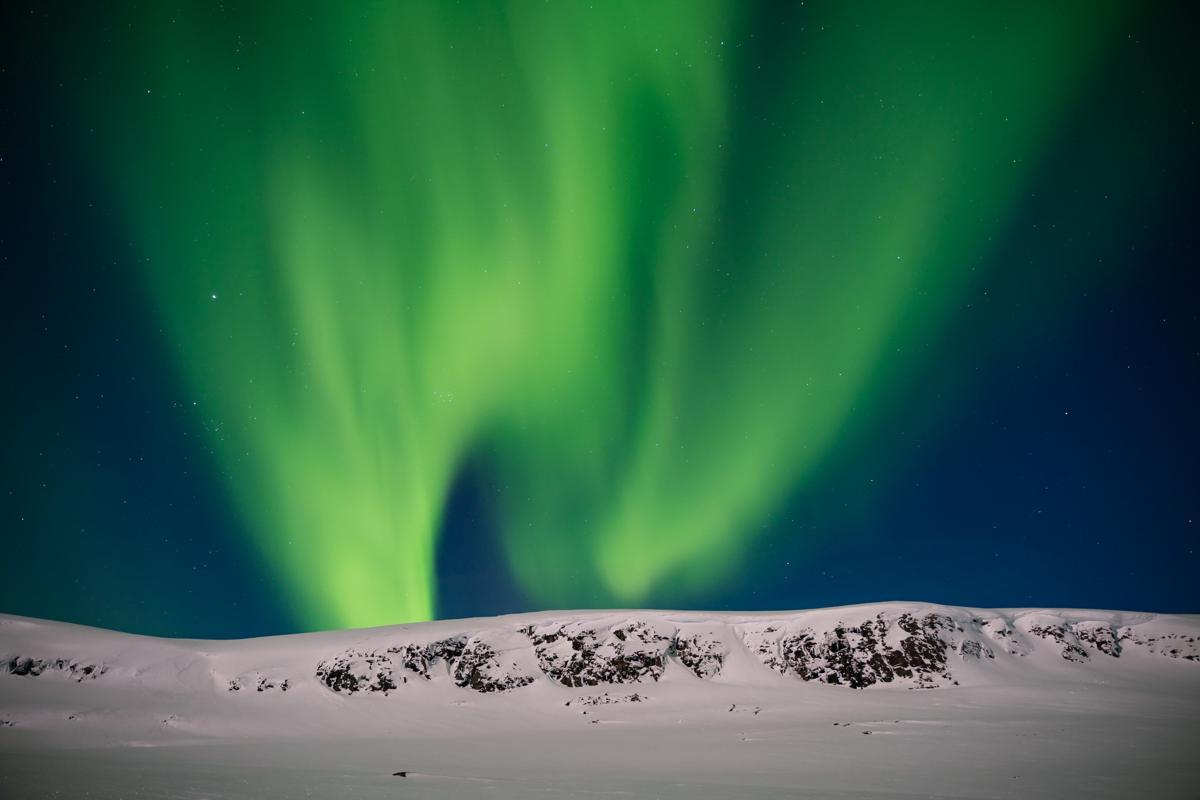
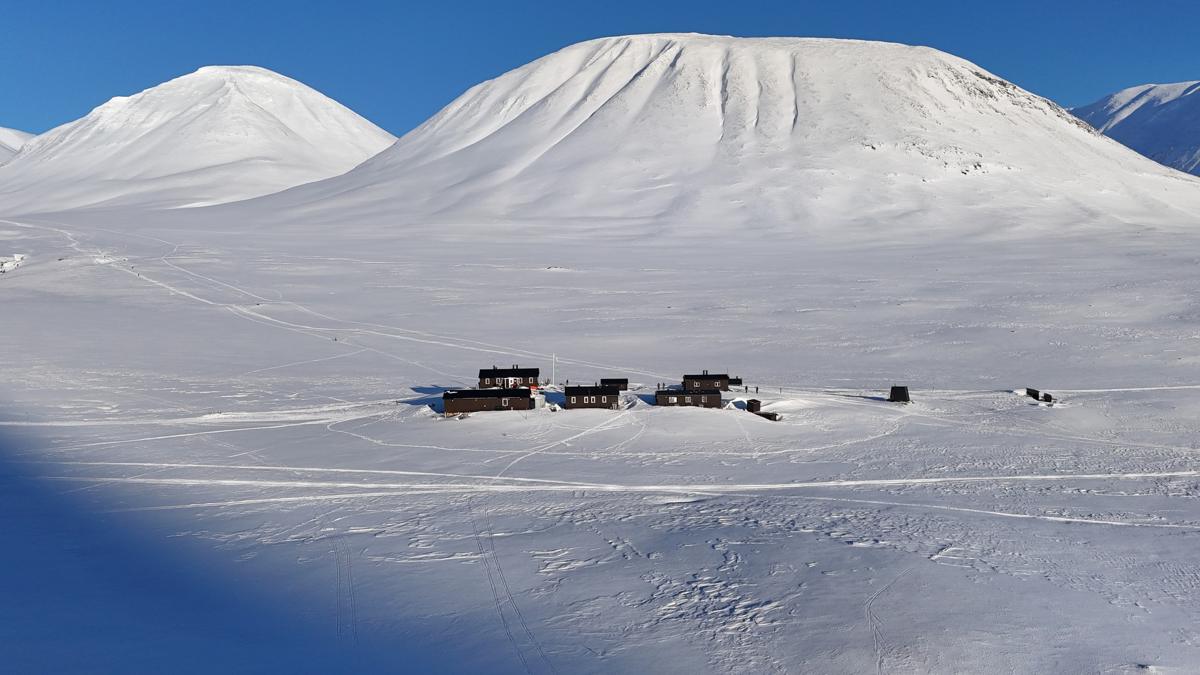
Huts stand a day apart. There is no electricity and no running water; you fetch water from a hole in the ice, chop wood, light the stove and, at several huts, end the day in a sauna. On clear nights the northern lights do the rest.
Made for
People who want a real winter journey with the safety net of a hut every evening.
Think twice
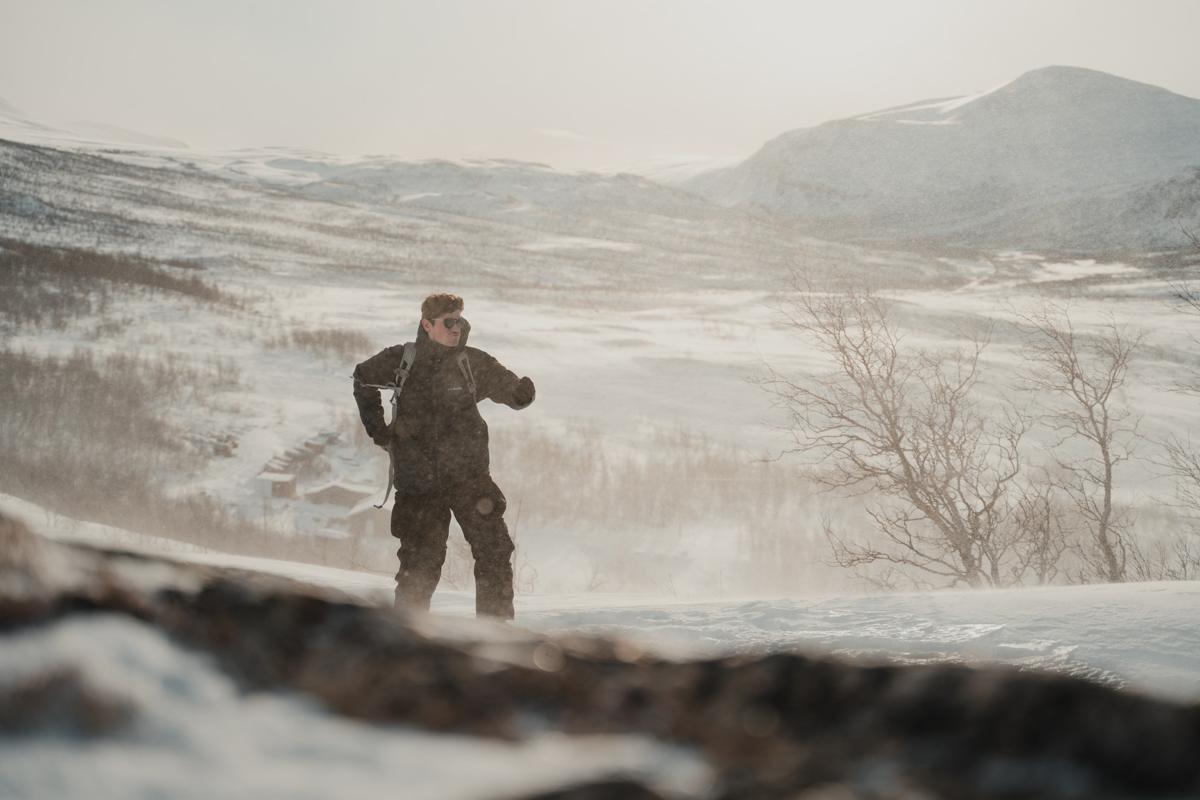
Anyone who struggles with cold. Days below minus fifteen are normal.
Highlights
- Crossing frozen lake Abiskojaure to the first hut
- The sauna at Alesjaure after the longest day
- Tjäktja pass, the highest point of the whole Kungsleden
- The Kebnekaise massif, Sweden's highest mountains
- Northern lights from the hut doorstep
Stage by stage
| Day | Stage | Km | Up | Down | Time |
|---|---|---|---|---|---|
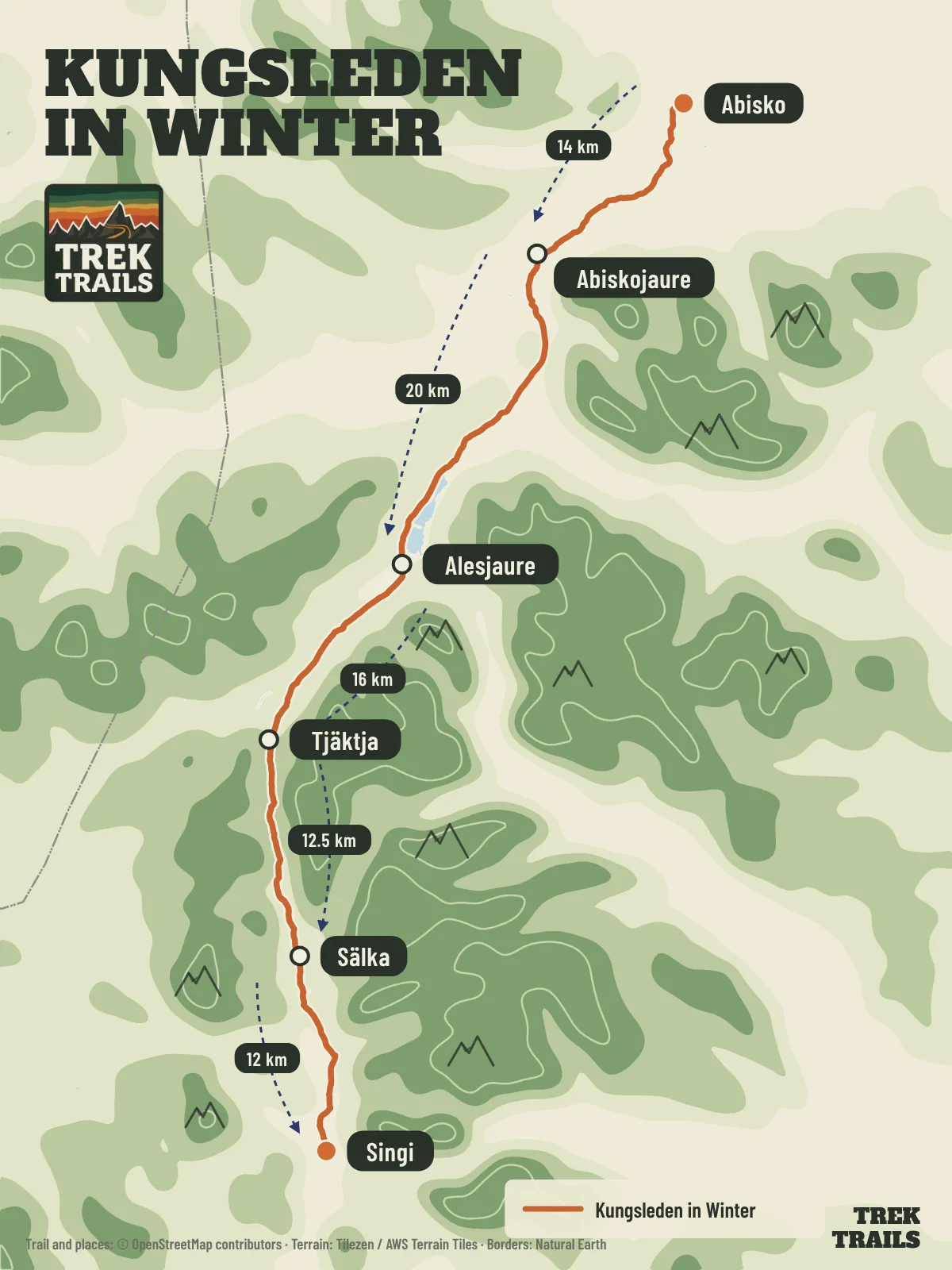
| 1 | Abisko → AbiskojaureBirch forest and a lake crossing | 14 | +157 m | −47 m | 4–5 h |
| 2 | Abiskojaure → AlesjaureOnto the open fell; longest day | 20 | +347 m | −50 m | 6 h |
| 3 | Alesjaure → TjäktjaAlisvággi valley; follow the red winter crosses | 16 | +350 m | −161 m | 4–5 h |
| 4 | Tjäktja → SälkaOver Tjäktja pass (about 1,150 m), long descent | 12.5 | +157 m | −351 m | 4 h |
| 5 | Sälka → SingiThen on to Kebnekaise fell station and Nikkaluokta | 12 | +53 m | −157 m | 4 h |
Good to know
How hard is it?
The terrain is gentle, with barely 1,000 m of climbing in five days. What makes it hard is the cold, the wind and pulling a loaded sled for five or six hours. No previous ski experience is needed for the Nordic touring skis used here, and snowshoes are the alternative.
Where you sleep and eat
Swedish Tourist Association huts: bunk rooms, a shared kitchen with gas, a wood stove, a drying room and usually a small shop. Abisko and Kebnekaise are full fell stations with restaurants and showers.
Getting there
Fly to Kiruna, or take the night train from Stockholm straight to Abisko (16–18 hours). Buses link Kiruna with both Abisko and Nikkaluokta.
When to go
Mid-February to late March, when the huts are staffed, the days are lengthening and the snow is reliable.
What to bring
Merino base layers, two fleeces, a down jacket, shell jacket and trousers, warm mittens, goggles, category-3 sunglasses and a thermos. Hands and feet are what get cold.
How to book it
On your own
On your own you need winter navigation skills, your own skis and pulka (or a rental in Abisko), and the judgement to sit out a storm day in a hut.
If you would rather walk than organise, The King's Trail runs it as a guided expedition with huts, pulka, skis or snowshoes and the snowmobile transfer out included. Prices start from about €1,550 per person.
See The King's Trail